



Overview of Robotics and Automation
Robotics and automation systems perform repetitive tasks with precision and consistency. Modern automation operates across three categories: fixed automation for high-volume repetitive tasks, programmable automation for batch production flexibility, and flexible automation for varied production with minimal reconfiguration.
Robotic systems integrate motors, actuators, and precision bearings to achieve controlled movement. Industrial robots, collaborative robots, and robotic arms all rely on bearings that maintain accuracy under load while minimizing downtime.
Key Benefits of Robotic and Automation Solutions
High-quality bearings for robotics support the use of advanced automation equipment in manufacturing and industrial environments. Utilizing these systems offers numerous key benefits, including:

Increased Productivity and Repeatability
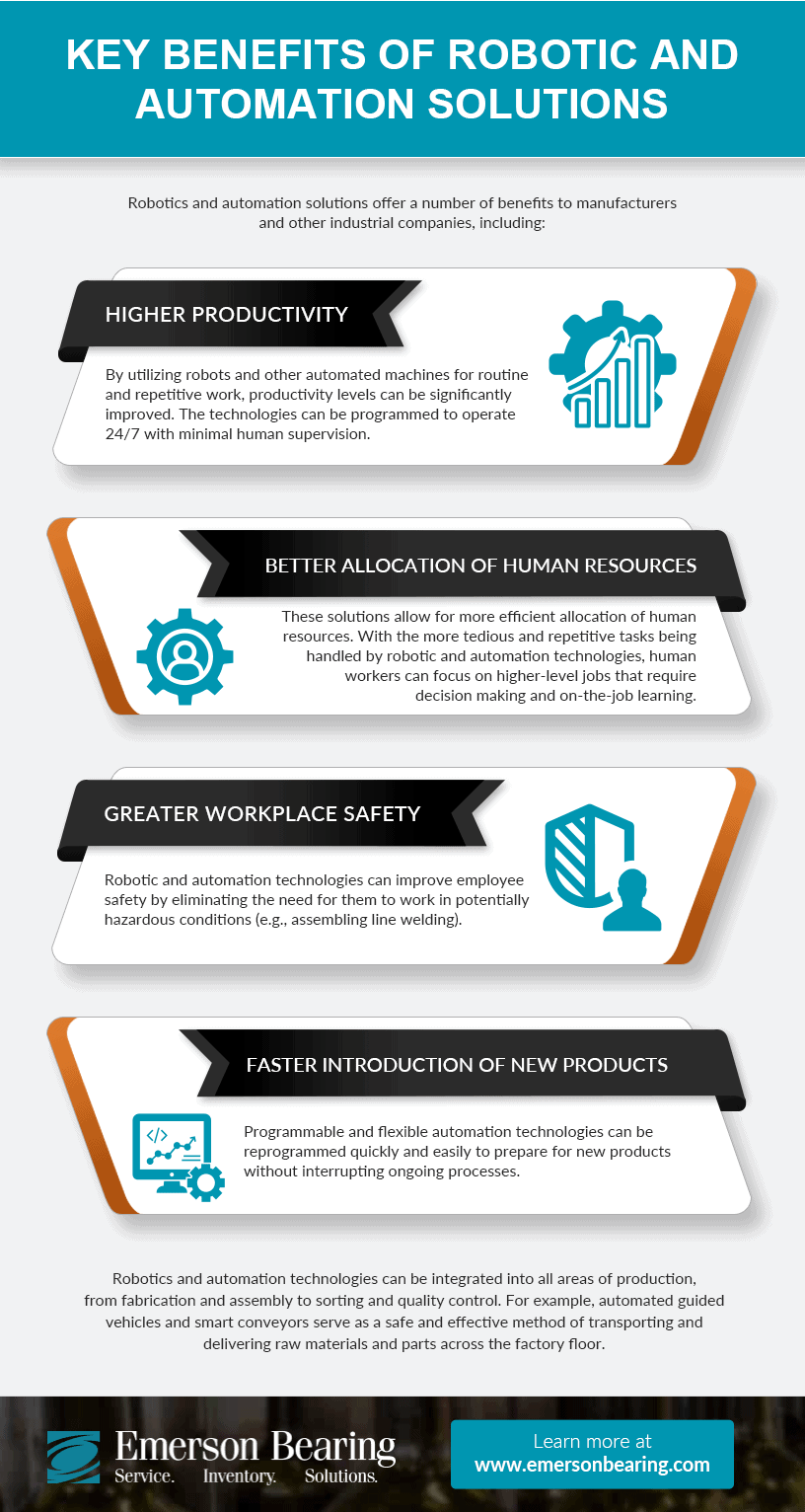
By utilizing robots and other automated machines for routine and repetitive work, productivity levels can be significantly improved. The technologies can be programmed to operate 24/7 with minimal human supervision.

Better Allocation of Human Resources
Automated solutions allow for more efficient allocation of human resources. With the more tedious and repetitive tasks being handled by robotic and automation technologies, human workers can focus on higher-level jobs that require decision-making and on-the-job learning.

Improved Workplace Safety
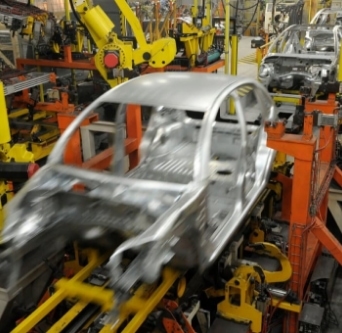
Robotic and automation technologies can improve employee safety by eliminating the need for them to work in potentially hazardous conditions (e.g., assembly line welding).

Faster Introduction of New Products
Programmable and flexible automation technologies can be reprogrammed quickly and easily to prepare for new products without interrupting ongoing processes.
Bearing Solutions for Robotics and Automation
At Emerson Bearing, we provide a variety of bearings for robotics and automation applications, including:
 Linear Motion Systems
Linear Motion Systems
These products offer high load capacity and long travel life in applications requiring single-direction motion. They are available in metric and inch series and constructed from chrome or stainless steel to fit most linear motion applications.

- Roller Linear Bearings
Roller Linear Bearings
Rolling linear bearings are the most common linear bearing type, using balls or rollers between bearing raceways and guide rails to minimize friction and enable smooth, high-speed motion. Rolling element size and contact angle influence speed and load capacity. These bearings are classified by track geometry, rolling element shape, and linear guide profile, each affecting friction, rigidity, and load performance.
- Plain Linear Bearings
Plain Linear Bearings
Plain linear bearings use sliding contact between two surfaces instead of rolling elements, offering simple construction, lower cost, and higher load capacity. Their larger contact area reduces surface pressure and improves shock and vibration absorption. Plain linear bearings rely on lubrication or self-lubricating materials and include designs such as dovetail slides, box-way slides, fluid bearings, linear sleeve bushings, and magnetic linear bearings.
- Super Precision Bearings
Super Precision Bearings
These chromium steel or stainless steel bearings feature controlled end play and radial runout, which allow them to provide more accurate and precise output. They are rated by the Annular Bearing Engineers Committee (ABEC) of the American Bearing Manufacturers Association (ABMA).
Learn More - Cam Followers
Cam Followers
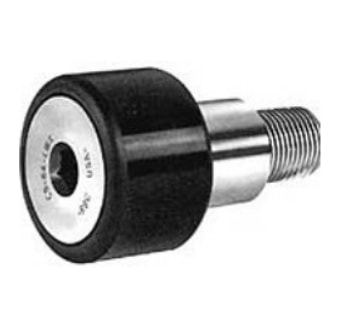
These bearings provide support outside of machine enclosures. They are an essential component of automated conveyor systems. Emerson Bearing offers both stud-type and yolk-type cam followers to meet the needs of various industrial applications. Our experts can help you determine the ideal option for your needs.
Learn More - Rod ends
Rod ends
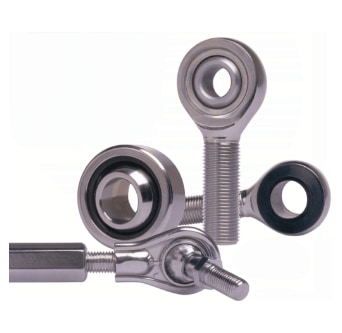
These components are used in the articulation joints of robotic arms. They are classified as either male or female, depending on the design of the threading. Male rod ends feature external threads, while female rod ends have internal threads. Emerson offers a wide range of rod ends and spherical bushings for use in diverse robotic and automation systems.
Learn More - Plain Bearings
Plain Bearings
Our self-lubricating plain bearings eliminate maintenance requirements where re-lubrication proves difficult. We offer plain bearings for robotics in bronze, thermoplastic, Oilite, and steel materials to suit various automation needs.
Learn More - Custom Roller Bearings
Custom Roller Bearings
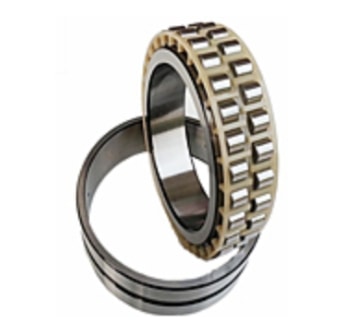
Cylindrical, tapered, and spherical roller bearings handle heavy loads in robotic arms and material handling systems. We offer custom roller bearings in various shapes, sizes, materials, and mounting configurations to meet your specific requirements.
Learn More





Overview of Linear Motion Bearings
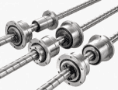
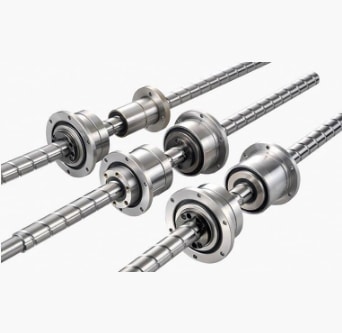
Linear motion bearings support single-axis movement by carrying the load of a carriage as it travels along guide rails, providing low-friction, precise back-and-forth motion across an XY plane. As essential bearings for robotics and automation, they are used in linear guide assemblies for robotic systems, CNC and cutting machines, instrumentation, XY positioning tables, and industrial equipment.
Linear Motion Bearings in Robotics
Many industries use automation to reduce variability, ensure process repeatability, meet quality standards, and reduce manufacturing costs. Robotic systems allow companies to meet demanding lead times, remain competitive, and make production adjustments by reprogramming the device.
As automation expands, demand for linear motion bearings continues to grow. Linear motion bearings for robotics offer versatile solutions to common manufacturing challenges by enabling precise single-axis movement at right angles rather than rotation. Linear motion bearings allow equipment to move back and forth, up and down, or in and out, delivering higher accuracy than rotating-axis robots and making them ideal for repetitive, routine tasks.
Here are the most common uses for linear robotics:
 Pick-And-Place
Pick-and-Place
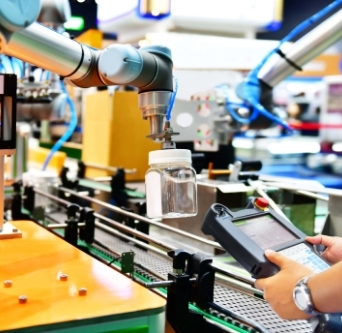
Placing the wrong item in the wrong place is highly likely without automation. High-speed pick-and-place robots can accurately move products from one location to another. Utilizing pick-and-place systems in specific assembly line areas can help improve efficiency and accuracy while preventing workplace injuries.
- Sorting
Sorting
Linear robots can make the tedious sorting process safer and more efficient. Pairing vision systems with sorting robots can improve consistency and accuracy.
 Packaging
 Packaging
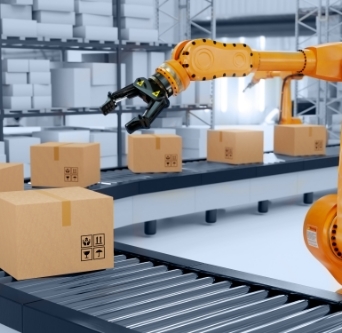
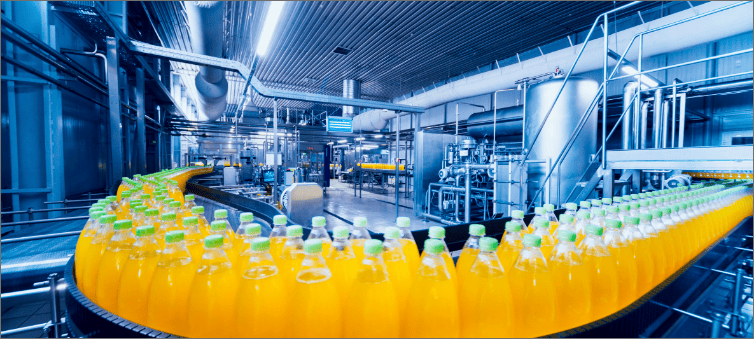
When linear robots are in place, packaging processes can essentially run non-stop, which would be impossible without automation. Automated packaging solutions can improve turnaround times without needing a third-shift crew.
- Palletizing
Palletizing
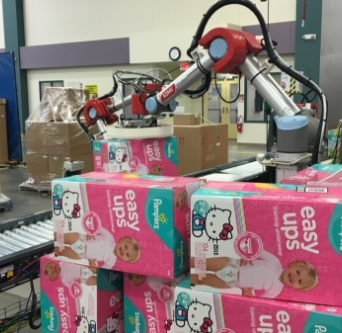
Manually placing items onto a pallet for shipping can be a dangerous, heavy-lifting job for human workers. With robotic automation, a palletizer can put products into a predetermined pattern to create layers of products before placing them on a pallet. Linear palletizing robots can increase safety, productivity, and reliability.
 Assembly
 Assembly
A linear robotic system can perform many manufacturing processes more accurately, including dispensing, welding, cutting, and assembly. For example, it can be difficult for laborers to make precise cuts or welds on larger items requiring extended reach.